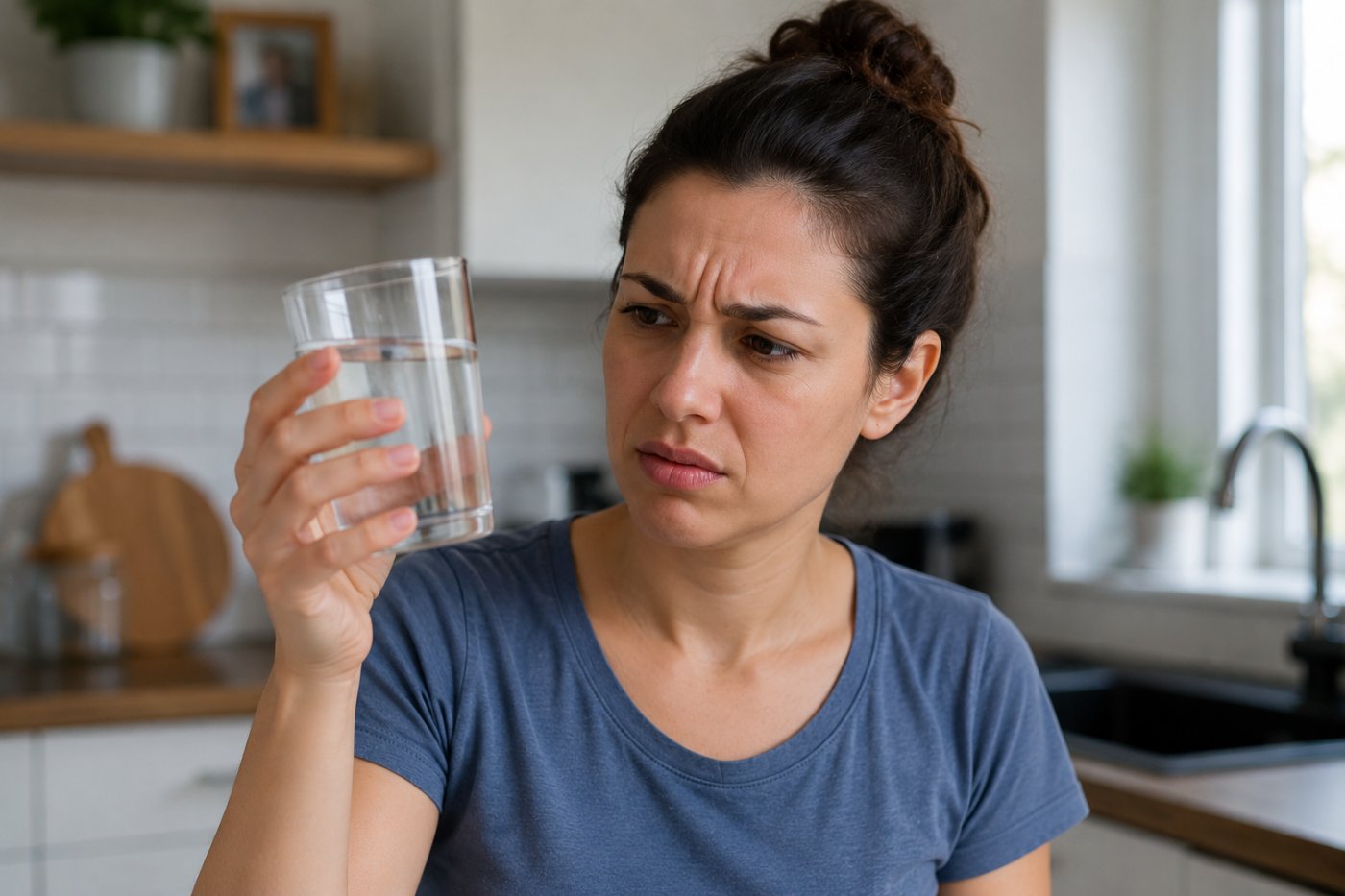
This is one of the most common questions homeowners ask after moving to Florida.
You turn on the faucet and notice:
- A chlorine smell
- Strange taste
- Cloudy water
- Hard water buildup
And naturally, you start wondering:
“Is this water actually safe to drink?”
The short answer is:
In most areas, Florida tap water meets legal safety standards.
But that doesn’t always mean the water is ideal for your home, your plumbing, or your personal comfort.
And that’s where a lot of confusion starts.
What “Safe” Actually Means
When city water is described as “safe,” it means the water utility is meeting federal and state regulatory requirements.
That includes limits for:
- Bacteria
- Certain chemicals
- Disinfection levels
- Contaminants monitored under EPA standards
But “safe” does not necessarily mean:
- Great tasting
- Free of chlorine
- Low in hardness minerals
- Pleasant to use
A water source can meet regulatory standards and still have issues homeowners notice every day.
Why Florida Water Tastes Different
Florida water is unique because much of it comes from groundwater sources connected to limestone aquifers.
As water moves through the ground, it naturally absorbs minerals.
That’s why many Florida homes experience:
- Hard water
- Mineral taste
- Scale buildup
On top of that, municipal systems add disinfectants like chlorine or chloramine to help keep the water biologically safe during distribution.
That’s usually the “pool smell” people notice.
Why Some Homes Smell Chlorine More Than Others
Not every neighborhood receives identical water conditions at all times.
You may notice stronger chlorine smell:
- During hotter months
- After heavy rain
- During maintenance flushing
- In areas farther from treatment facilities
Utilities sometimes increase disinfectant levels temporarily to maintain system safety.
That can make the taste and smell much more noticeable.
What Causes Cloudy Tap Water?
Cloudy water is usually caused by tiny air bubbles.
This commonly happens when:
- Water pressure changes
- Temperature changes occur
- Water has recently been disturbed in the line
Most of the time, cloudy water clears from the bottom upward after sitting in a glass for a minute or two.
That’s typically harmless.
However, if cloudiness remains or appears alongside staining or odor, additional testing may be worthwhile.
Why Florida Homes Often Have Hard Water
Even if the water is technically “safe,” hardness minerals can still create major household issues.
Hard water contributes to:
- White residue on fixtures
- Spots on dishes
- Scale inside plumbing
- Water heater efficiency loss
- Soap not lathering properly
That’s one reason many homeowners install treatment systems even when the water meets safety standards.
They’re improving quality and protecting the home, not necessarily correcting unsafe water.
What About Well Water?
Well water is completely different from city water.
Private wells are not treated by municipalities.
That means the homeowner is responsible for monitoring water quality.
Depending on the area, Florida well water may contain:
- Hardness minerals
- Iron
- Sulfur
- Sediment
- Bacteria
That’s why routine testing is extremely important for homes on private wells.
Can Pipes Affect Water Quality?
Yes.
Even if the municipal water supply leaves the treatment facility in good condition, the plumbing system inside a home can still affect water quality.
Older plumbing may contribute:
- Metallic taste
- Discoloration
- Sediment
- Reduced flow
That’s one reason two homes in the same neighborhood can have completely different experiences with their water.
Why People Still Filter Their Water
A lot of homeowners install filtration systems not because the water is “dangerous,” but because they want to improve:
- Taste
- Odor
- Hardness
- Chlorine levels
- Appliance protection
Water treatment is often more about quality and comfort than emergency health concerns.
What a Water Test Can Actually Tell You
A proper water test helps identify:
- Hardness level
- Chlorine concentration
- Iron
- Sulfur
- Sediment
- Other water quality concerns
Without testing, most homeowners are just guessing based on taste or appearance.
And sometimes the issue people notice isn’t actually the biggest issue present.
The Biggest Mistake People Make
Most people assume:
“If the water is safe, there’s nothing else to think about.”
But water quality affects:
- Plumbing lifespan
- Appliance wear
- Cleaning performance
- Skin and hair feel
- Taste and odor throughout the house
Those issues may not be dangerous, but they absolutely impact daily life.
Bottom Line
In most cases, Florida tap water meets legal safety standards.
But that doesn’t mean:
- It tastes great
- It’s low in minerals
- It won’t cause buildup or maintenance issues
If you’re noticing:
- Chlorine smell
- Hard water spots
- Bad taste
- Buildup throughout the home
A water test can help determine exactly what’s going on and whether treatment makes sense for your specific water conditions.
Get a Free Water Test
Dependable Water Treatment offers free water testing in Central Florida so you can learn exactly what’s in your water and what options may improve it.
Call 407-242-7150 or request a free water test today.