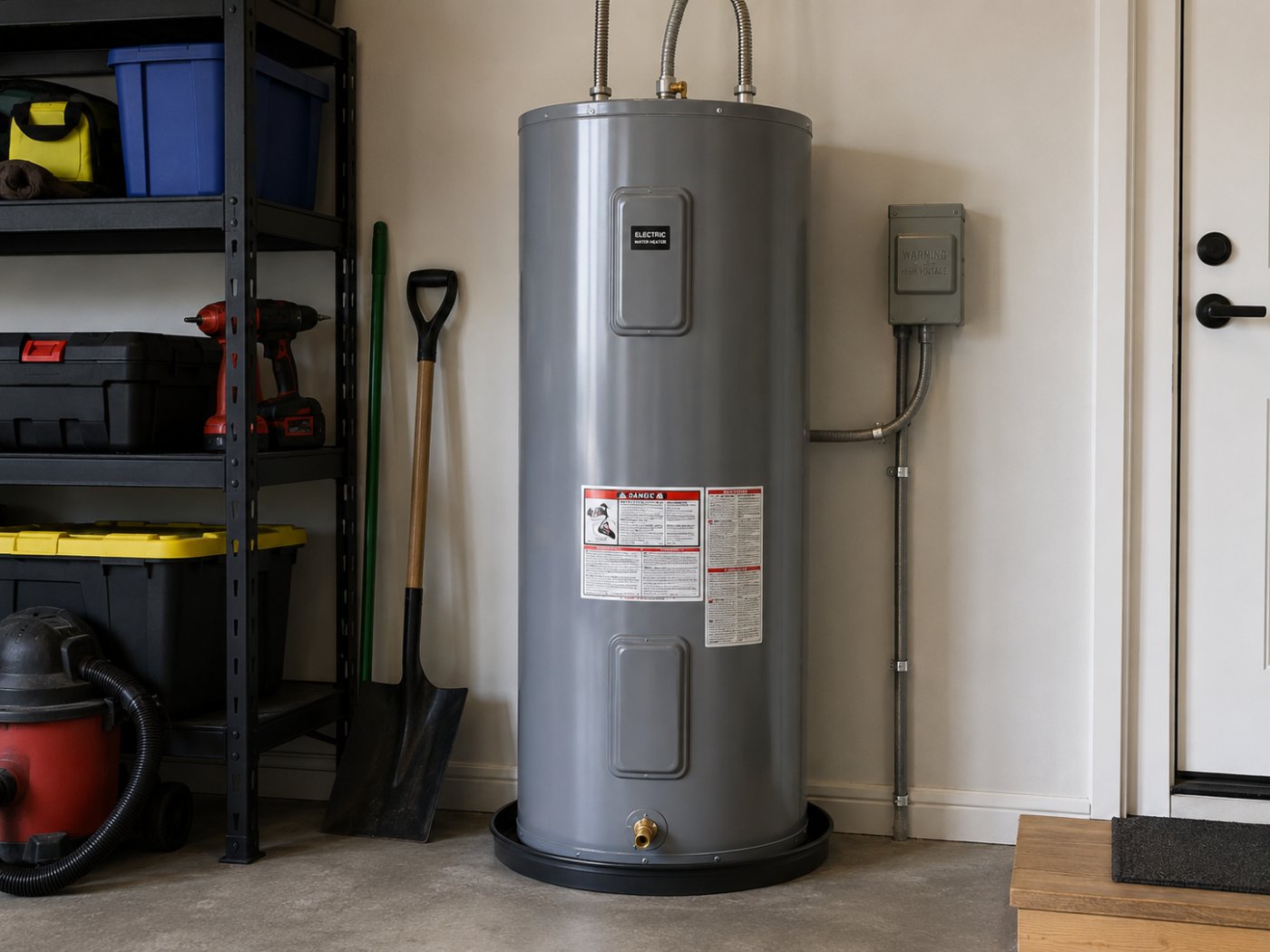
Your water heater is one of the hardest working appliances in your home. It runs every single day — every shower, every load of laundry, every time you run the dishwasher. Most people don't think about it until something goes wrong. But if you have hard water and you're not treating it, something is going wrong inside that tank right now — you just can't see it yet.
The short answer to the question is yes. Hard water absolutely damages your water heater. And in Florida, where hard water is the norm rather than the exception, it's one of the most common reasons water heaters fail earlier than they should.
What Hard Water Does Inside Your Water Heater
When hard water enters your water heater and gets heated up, something called scale begins to form. Scale is the solid mineral deposit left behind when the calcium and magnesium dissolved in your water get heated and settle out. Think of it like the mineral crust you see on a faucet or showerhead — except it's forming inside your water heater where you can't see it.
Over time, that scale builds up on the bottom of the tank and on the heating elements. And as it accumulates, it causes a cascade of problems that affect your water heater's efficiency, performance, and lifespan.
How Scale Destroys Efficiency
Scale is an excellent insulator — which sounds like it might be a good thing, but in this case it's not. When scale builds up on the bottom of your tank or around your heating elements, it acts as a barrier between the heat source and the water.
Your water heater now has to work harder and run longer to heat the same amount of water. That means:
- Higher energy bills. Even a thin layer of scale — as little as a quarter inch — can reduce your water heater's efficiency significantly. Your unit is burning more gas or electricity to deliver the same hot water it used to produce easily.
- Longer wait times for hot water. If it seems like your hot water isn't as hot as it used to be, or you're running out of it faster, scale buildup is a very likely cause.
- More wear on components. The longer your water heater runs to compensate for the insulating effect of scale, the more stress it puts on the heating elements, thermostat, and tank itself.
The Rumbling, Popping Noise Your Water Heater Makes
If your water heater makes a rumbling, popping, or banging noise when it's heating water, that's not something you should ignore. That sound is scale.
As sediment and mineral deposits accumulate on the bottom of the tank, water gets trapped underneath and around them. When the burner fires and heats the water, that trapped water forces its way through the scale layer — and the result is the rumbling or popping sound you're hearing.
It's a sign that scale buildup has gotten significant, and it means your water heater is working under stress. Left untreated, it accelerates the deterioration of the tank lining and can lead to premature failure.
What Scale Does to Tank Lifespan
A water heater in a home with treated water can last 12 to 15 years or more with proper maintenance. In a Florida home with untreated hard water, it's not uncommon for water heaters to fail in 6 to 8 years — sometimes less.
That's thousands of dollars in replacement costs that could be avoided or significantly delayed with proper water treatment.
The scale doesn't just reduce efficiency — it physically damages the tank. As mineral deposits build up on the bottom of the tank, they create hot spots where the metal gets significantly hotter than it should. Over time, those hot spots cause the steel to weaken, the lining to crack, and eventually the tank to fail. A leaking water heater isn't just an inconvenience — it can cause serious water damage to your home.
Tankless Water Heaters Aren't Immune
A lot of homeowners switch to tankless water heaters thinking they've solved the hard water problem. Tankless units are more efficient and space-saving, but they're actually more vulnerable to hard water damage than traditional tank heaters in some ways.
Tankless water heaters have narrow internal passages and heat exchangers that scale can clog and damage relatively quickly. Manufacturers of most major tankless water heater brands specifically recommend treating hard water before it enters the unit — and many will void the warranty if scale damage occurs in an area with known hard water.
If you have or are considering a tankless water heater in Florida, water treatment isn't optional — it's essential.
The Anode Rod Problem
Your water heater has a component called an anode rod — a metal rod, usually made of magnesium, that hangs inside the tank and slowly sacrifices itself to protect the steel tank from corrosion. It's a brilliant piece of engineering, and it's one of the main reasons water heaters last as long as they do.
Hard water accelerates the depletion of the anode rod. In a home with very hard water, the anode rod can wear out significantly faster than in a home with soft water. Once the anode rod is depleted, there's nothing protecting the inside of your tank from rust and corrosion — and the clock starts ticking toward tank failure.
Regular anode rod inspection and replacement is an important part of water heater maintenance, especially in Florida homes with hard water.
What About Water Heater Warranties?
Here's something most homeowners don't realize until it's too late: many water heater manufacturers include language in their warranties that reduces or eliminates coverage for damage caused by scale and mineral buildup.
In plain terms — if your water heater fails due to hard water damage and you didn't have a water softener installed, the manufacturer may not cover it. That's a risk worth understanding before you're standing in front of a flooded utility room.
How a Water Softener Protects Your Water Heater
A water softener removes calcium and magnesium from your water before it ever reaches your water heater. With softened water flowing into your tank:
- Scale cannot form, because the minerals that cause it have already been removed
- Your water heater runs at peak efficiency, the way it was designed to
- Heating elements last longer because they're not coated in mineral deposits
- Your anode rod depletes at a normal rate, giving you the full protection it was designed to provide
- Your water heater lasts significantly longer, often adding years to its functional lifespan
The cost of a water softener is a fraction of what you'll spend replacing a water heater prematurely — and that's before you factor in the energy savings from a more efficient unit.
Signs Your Water Heater May Already Have a Scale Problem
If you're not sure whether hard water has already started affecting your water heater, here are some signs to watch for:
- Rumbling, popping, or banging sounds during heating cycles
- Hot water that doesn't seem as hot as it used to be
- Running out of hot water faster than you used to
- Higher than normal energy bills without an obvious explanation
- Water heater that's more than 6 or 7 years old in a home without water treatment
- Visible white or yellowish buildup around the pressure relief valve or connections
Any of these can indicate scale buildup that's already affecting performance.
The Bottom Line
Hard water and water heaters don't get along. In Florida, where hard water is almost universal, unprotected water heaters are working harder than they should, failing sooner than they should, and costing homeowners more than they need to spend.
A water softener is the most effective way to protect your water heater — and every other appliance in your home that uses water. It's not just about comfort and clean dishes. It's about protecting your investment and getting the full lifespan out of equipment that isn't cheap to replace.
If you don't know how hard your water is, a simple water test is the place to start. The results might change how you think about the appliances running in your home every day.
Dependable Water Treatment helps Florida homeowners protect their water heaters, plumbing, and appliances with water softeners and whole-home treatment systems. Contact us to schedule a water test and find out what your water is doing to your home.